






Tattoo Psychology: The Science Behind Our Need for More Ink
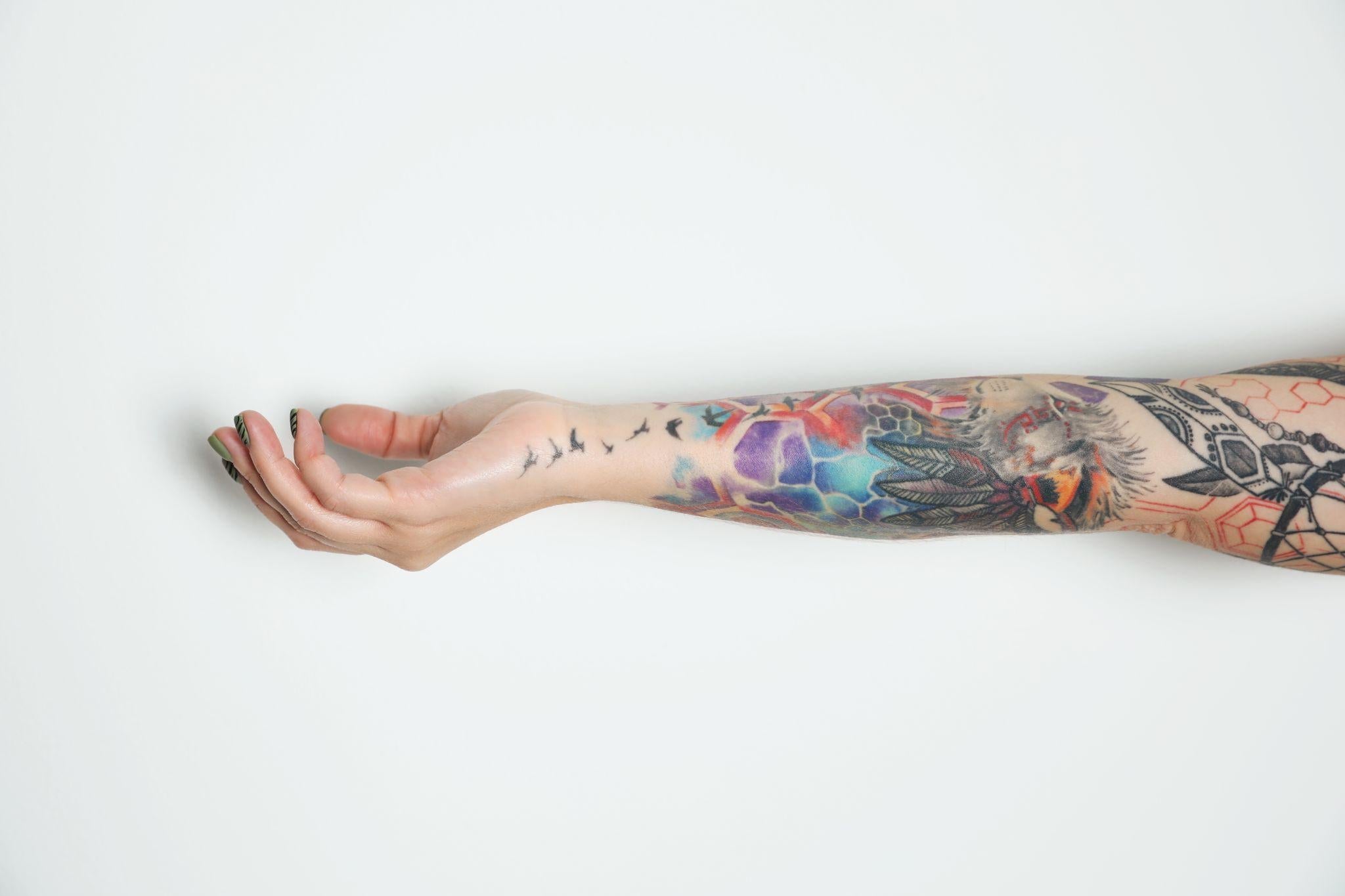
For some people, getting tattooed is a single, meaningful event. For others, it becomes an ongoing pursuit that evolves over years. One design may lead to another, empty space can start to feel temporary, and the idea of being “finished” never fully arrives. This pattern isn’t accidental. Within the psychology of tattoos, repeat tattooing is often understood as being connected to how people process identity, emotion, reward, and self-expression.
Identity in Motion
A core reason tattoos hold such lasting significance is their relationship to identity formation. They often act as visual markers of personal beliefs, experiences, and values. Tattoos don’t change easily, which can give them symbolic permanence. For many people, they become reference points within a constantly shifting sense of self.
So, why do people get tattoos in the first place? In many cases, it’s not about decoration alone. For some, tattoos serve as a way to claim authorship over their body and personal story. As people grow and change, new experiences can create a desire for new symbols. What once felt complete may later feel like the beginning of a larger narrative, making additional tattoos feel meaningful rather than excessive.
Emotional Weight and Personal Control
Tattoos often appear during emotionally significant moments, such as periods of loss, recovery, or major transition. The process itself can offer a sense of structure and control. Selecting the design, choosing the placement, and enduring the sensation may help reframe vulnerability into intention.
This is where the idea of tattoo addiction sometimes enters the conversation. The emotional relief or sense of empowerment tied to the experience can be strong enough that people want to revisit it. In these cases, repetition is often less about chasing pain or ink and more about reconnecting with a feeling of agency.
Pain, Chemistry, and Memory

Tattooing can trigger a physical stress response. The body may release adrenaline and endorphins to help manage pain, which can create a focused, almost meditative state. For many people, this physiological response becomes one of the most memorable aspects of the experience.
That reaction leads some to ask: are tattoos addictive? From a neurological perspective, tattooing is not considered addictive in the clinical sense. However, the brain does tend to remember experiences that combine intensity, meaning, and reward. Those memories can influence future decisions, particularly when the outcome carries personal significance.
Anticipation and the Dopamine Loop
The psychological pull of tattoos doesn’t always begin in the chair. It often starts during the planning phase. Researching artists, refining concepts, and imagining the finished piece can stimulate dopamine, a chemical associated with motivation and anticipation.
At this stage, people may begin to wonder: why are tattoos addictive for certain personalities? In many cases, it appears to be less about the tattoo itself and more about the cycle of anticipation, completion, and renewed desire. Once the excitement settles, the mind may naturally look toward the next idea, the next space, or the next chapter.
Social Meaning and Reinforcement
Tattoos also operate within social contexts. They can communicate belonging, shared aesthetics, or alignment with specific subcultures. Positive feedback such as compliments or conversations can reinforce the experience, strengthening associations between tattooing and validation.
This reinforcement helps explain why the question “Are tattoos addicting?” continues to surface in discussions about tattoo culture. Social feedback can amplify interest without removing autonomy. It may encourage continuation, but it does not necessarily imply compulsion.
Repetition vs. Dependency
When people discuss tattoos and addiction, comparisons are often made using general definitions of dependency rather than tattoo-specific evidence. In this context, repeated behavior isn’t automatically the same as dependency. Tattooing is more commonly framed as a voluntary, meaning-driven practice rather than a behavior associated with loss of control or functional impairment.
Exploring why tattoos are addictive for some people usually involves looking at several overlapping factors, including dopamine response, emotional regulation, personal narrative, and cultural influence. When these factors align, tattooing may function as a powerful form of self-expression rather than a habit that demands an endpoint.
Ink as a Way of Life

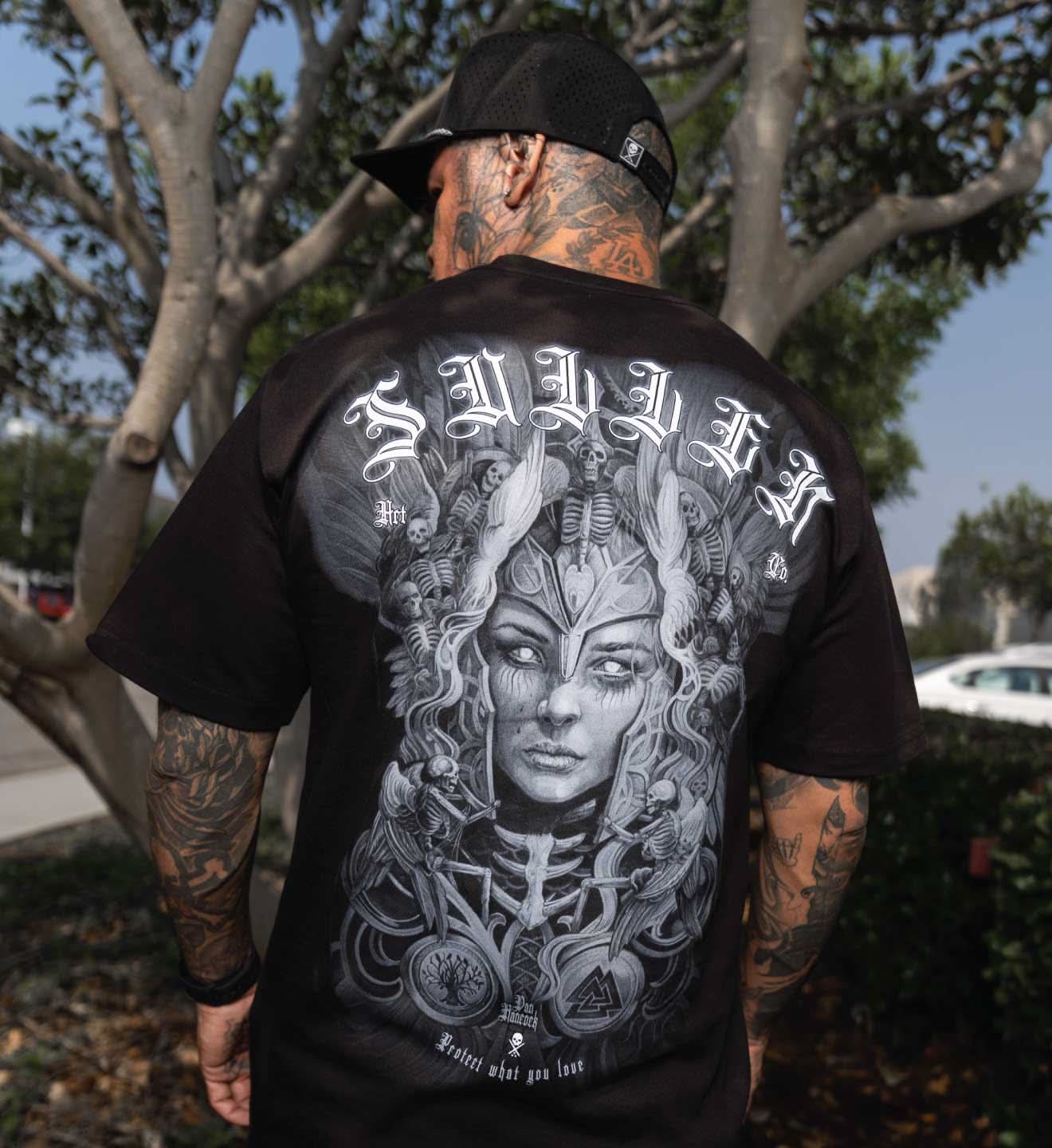
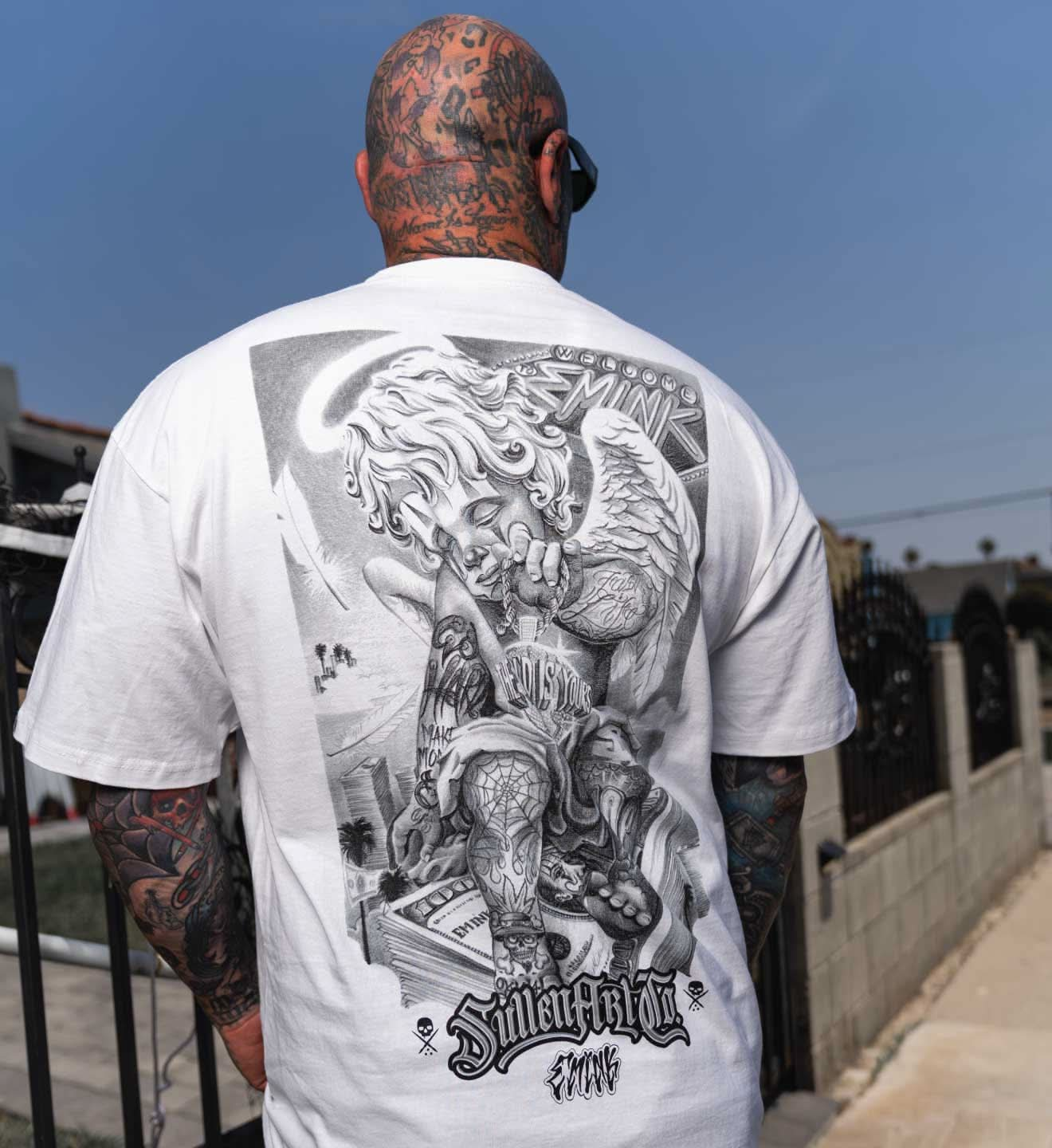
For many, tattoo culture doesn’t stop at skin. It becomes part of how they move through the world, what they wear, and how they present themselves. Tattoo-inspired clothing allows that mindset to exist beyond the studio, reflecting the same commitment to individuality and art.
Sullen Clothing creates tattoo apparel for people who see ink as more than decoration. It’s about carrying the same attitude, symbolism, and self-expression into everyday life—because for those who understand it, tattoos aren’t something you finish. They’re something you live.
Explore Sullen Clothing’s best-selling tattoo apparel.