







Is It Safe to Tattoo Over Moles or Birthmarks?
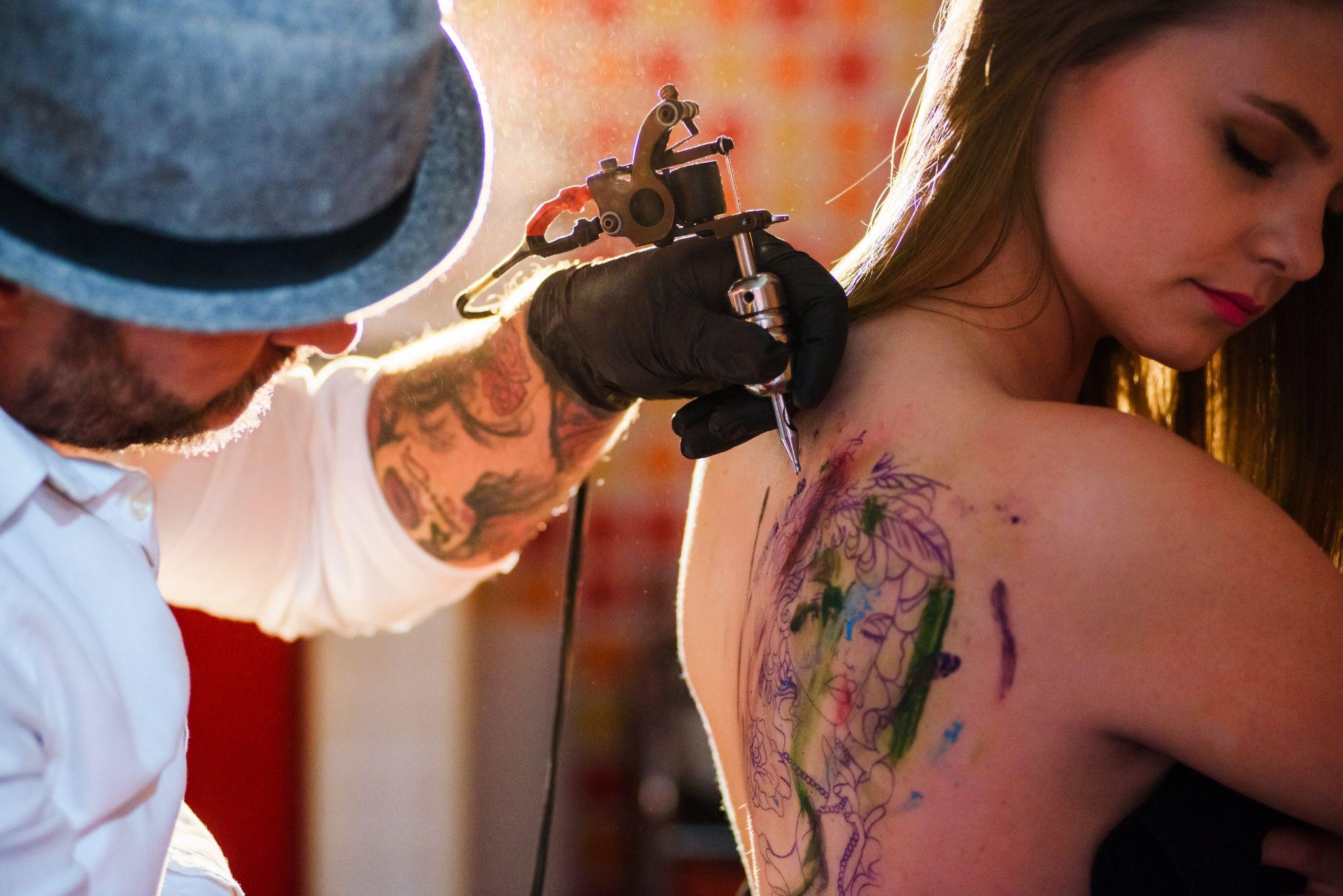
Tattoos are a powerful form of self-expression, but not every patch of skin is ideal for ink. When it comes to tattooing over moles and birthmarks, both dermatologists and responsible tattoo artists agree on one key point: use caution. In many cases, it should be avoided.
Understanding the risks—and knowing when to involve a medical professional—helps ensure your tattoo is both safe and beautiful.
Can You Tattoo Over a Birthmark?
Birthmarks fall into two main medical categories—pigmented and vascular—and each behaves differently when tattooed. Texture also matters, because some birthmarks are flat while others may be raised or thickened.
Tattooing over birthmarks is generally not recommended, but here’s what to know about each type.
Pigmented Birthmarks
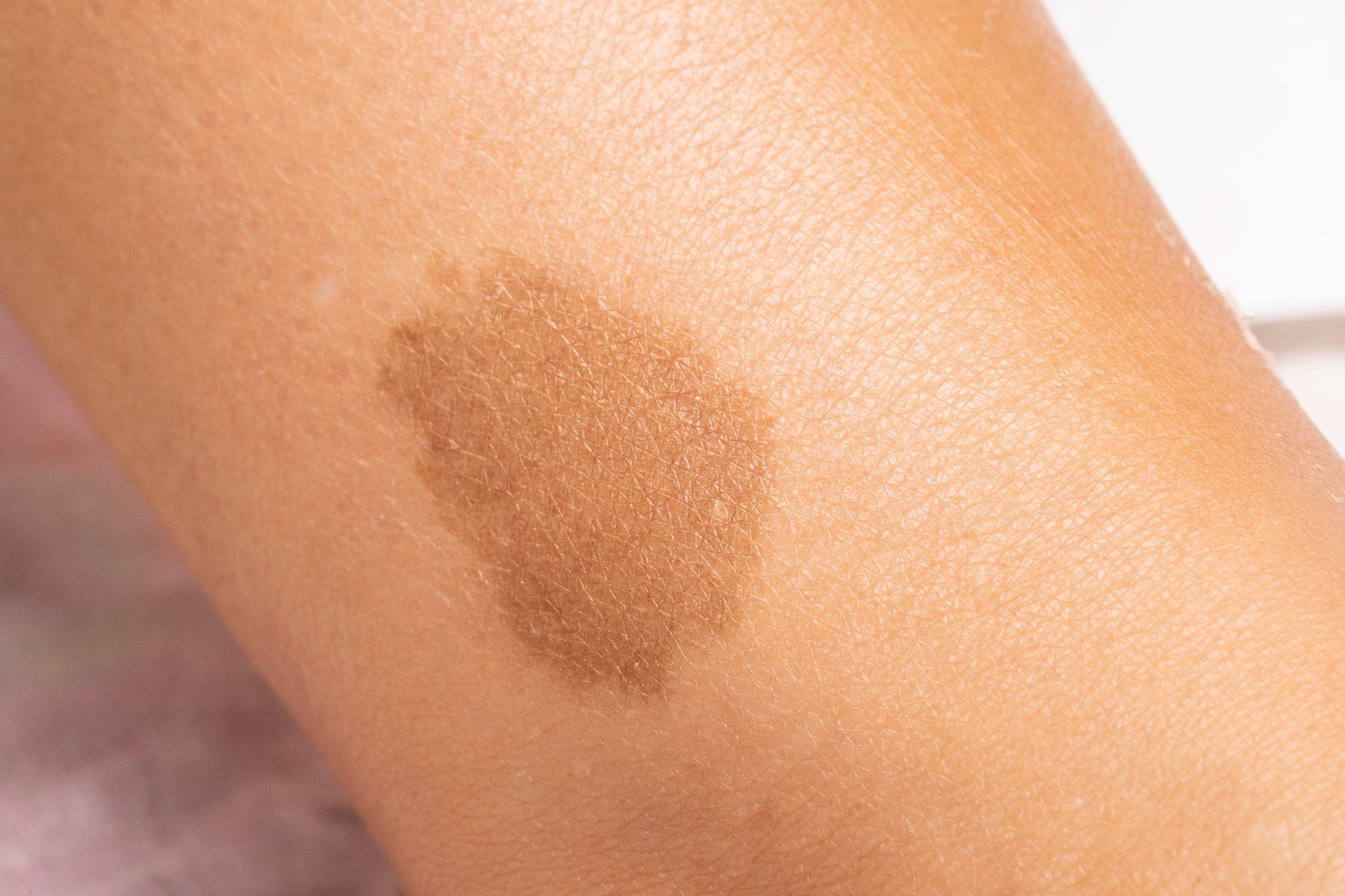
Pigmented birthmarks are caused by increased melanin in the skin. Examples include café-au-lait spots and certain congenital pigmented patches. Some are flat, while others may be slightly raised.
Even flat pigmented birthmarks pose concerns when it comes to tattoos. Ink can make it difficult to notice subtle changes in color or borders over time—changes that may be medically important. For this reason, dermatologists typically advise against tattooing directly over pigmented birthmarks.
If someone is considering placing a tattoo near a pigmented birthmark, the safest approach is to have the area evaluated by a medical professional first. Even with reassurance, many tattoo artists prefer to design around these marks rather than place ink directly over them.
Vascular Birthmarks
Vascular birthmarks—such as port-wine stains and hemangiomas—are formed by clusters of blood vessels near the skin’s surface. Tattooing over vascular birthmarks can result in:
- Increased bleeding during the tattoo
- Slower or complicated healing
- Irritation or inflammation
- Uneven ink absorption or color distortion
Because of these risks, tattooing directly over vascular birthmarks is typically not recommended. Many tattoo artists require medical clearance before tattooing anywhere near them—and most avoid tattooing directly on these areas entirely.
The Bottom Line on Tattooing Over Birthmarks
Tattooing over birthmarks is not inherently safe, regardless of type. Some flat birthmarks may be workable only after a dermatologist confirms the area is benign and safe to approach. But anything that is vascular, textured, or changing warrants additional caution and is often best avoided altogether.
A tattoo artist who requests medical clearance before working around a birthmark is acting responsibly and with your long-term health in mind.
Is It Safe to Tattoo Over Moles?

In most cases, no.
Moles (also called nevi) are pigmented lesions that must remain visible for ongoing skin monitoring. Tattooing over a mole can obscure important visual features and may irritate the mole itself, making future evaluation more difficult.
Moles Need to Remain Visible for Health Monitoring
Dermatologists monitor moles for cancer risk by examining:
- Borders
- Symmetry
- Color changes
- Size
- Texture
A tattoo can obscure these features, making it harder to detect potential early signs of melanoma.
Tattoo Needles Can Irritate Moles
Tattoo needles repeatedly puncture the skin. When an artist tries to put a tattoo on a mole, this can cause:
- Bleeding
- Inflammation
- Prolonged or irregular healing
- Visible changes that complicate medical evaluation
These reactions make it harder for doctors to monitor a mole accurately over time.
The Bottom Line on Tattooing Over Moles
Tattooing over moles is generally not considered safe. Because moles need to remain visible for ongoing monitoring, most reputable tattoo artists refuse to tattoo directly over them. Instead, they may:
- Tattoo around the mole
- Incorporate the mole into the design while leaving it uninked
Keeping moles unobstructed is the safest choice and aligns with dermatology recommendations.
Best Practices for Tattooing Near Moles and Birthmarks
If you’re planning a tattoo near these areas, keep the following guidelines in mind:
1. Get a dermatologist’s evaluation.
A medical professional can confirm whether a spot is benign and whether tattooing near it is appropriate.
2. Choose an experienced tattoo artist.
A reputable artist will:
- Point out any areas they won’t tattoo
- Help design around sensitive or risky spots
- Give honest recommendations about placement
3. Avoid tattooing directly on moles.
Regardless of appearance, moles should stay visible for monitoring.
4. Monitor your skin over time.
Watch for new or changing marks and maintain regular skin exams, even after your tattoo heals.
Complete the Look With Tattoo Clothing

Once you’ve planned your tattoo safely, upgrade your wardrobe with tattoo-inspired clothing. Sullen Clothing has stylish tees, sweatshirts, flannels, hats, and accessories created by artists to complement modern tattoo art. Browse our best sellers, check back often for new designs, and order today!
Ink responsibly—and wear your tattoo-style clothing proudly.
References
- Skin Cancer Foundation. Ask the Expert: Can a Tattoo Increase Skin Cancer Risk?
- CBS News. Doctors warn tattoos over moles, birthmarks may hide melanoma.
This article provides general information and is not medical advice. Always consult a licensed dermatologist before tattooing over or near moles or birthmarks.